Motorcycle
Medics
How two-wheelers and MotoGP are transforming healthcare in Africa

______________________
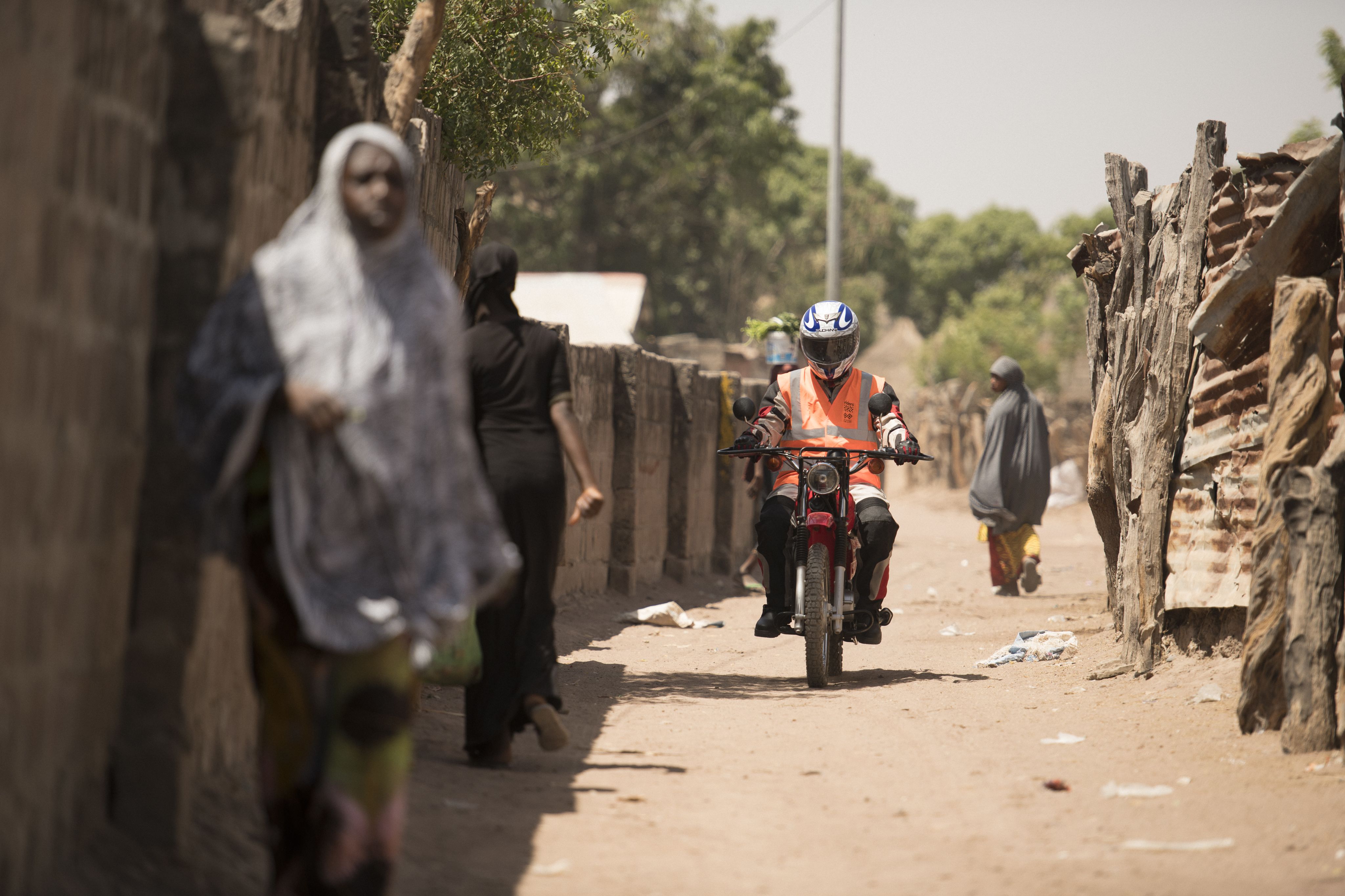
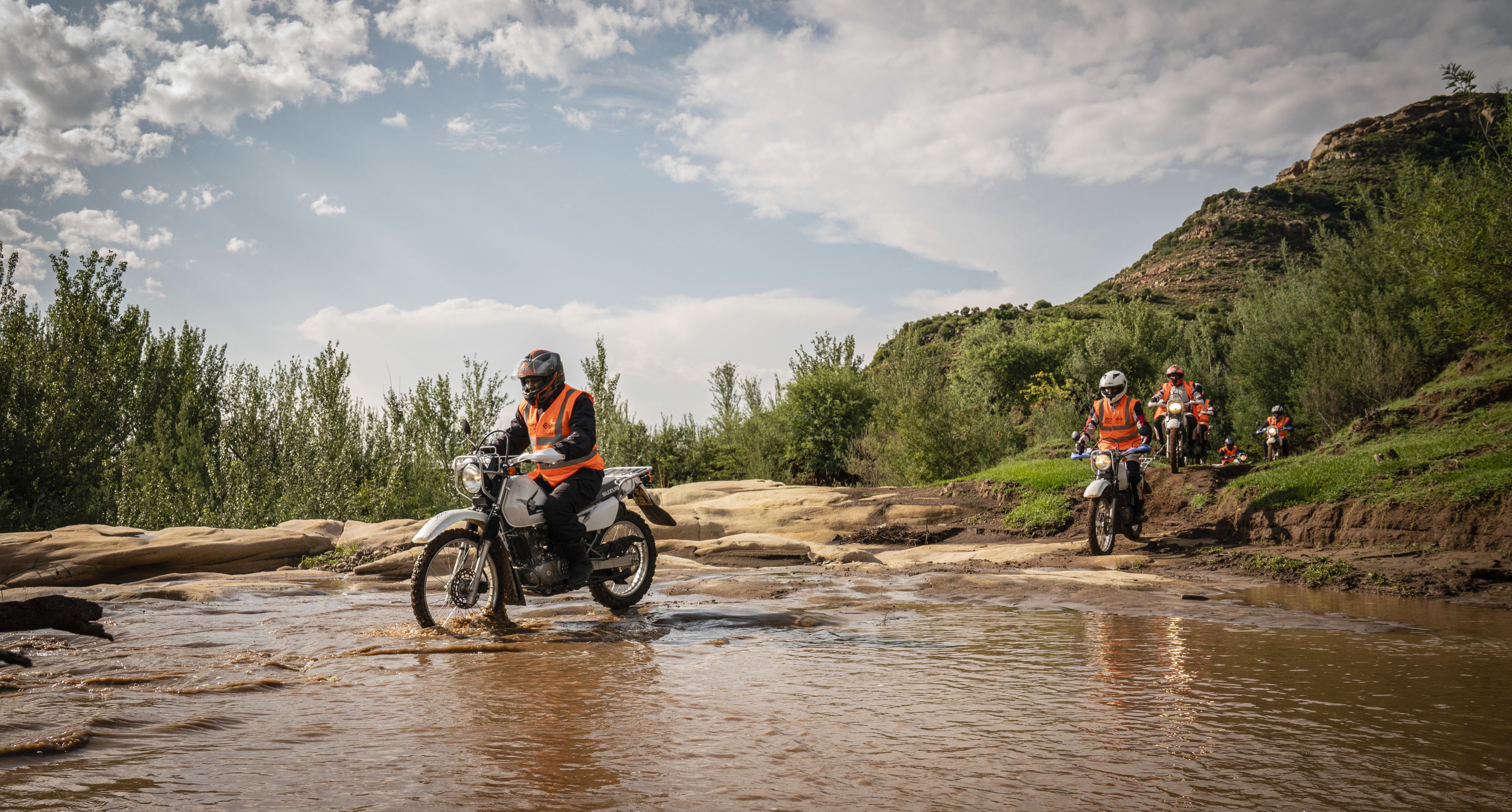
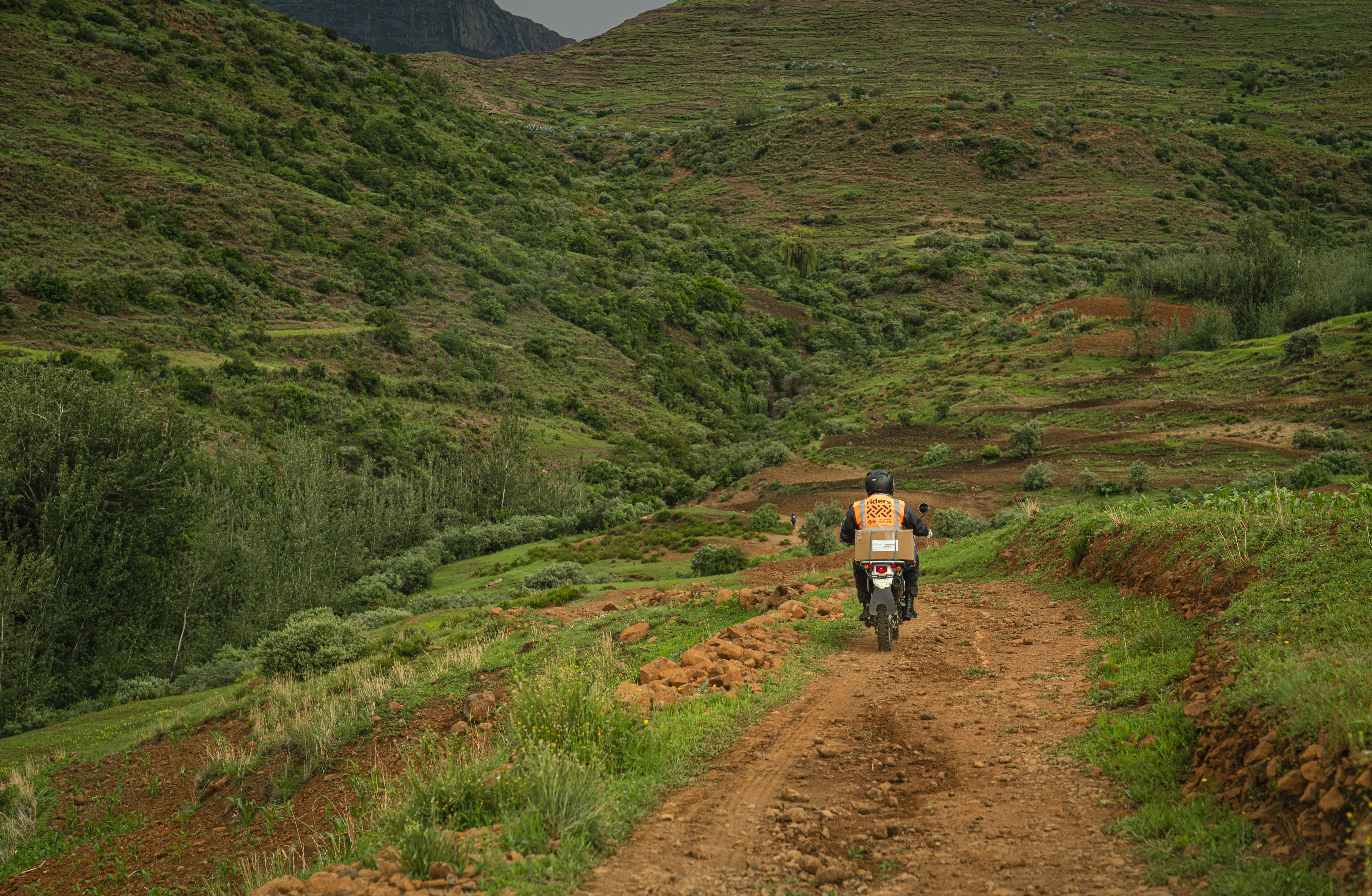
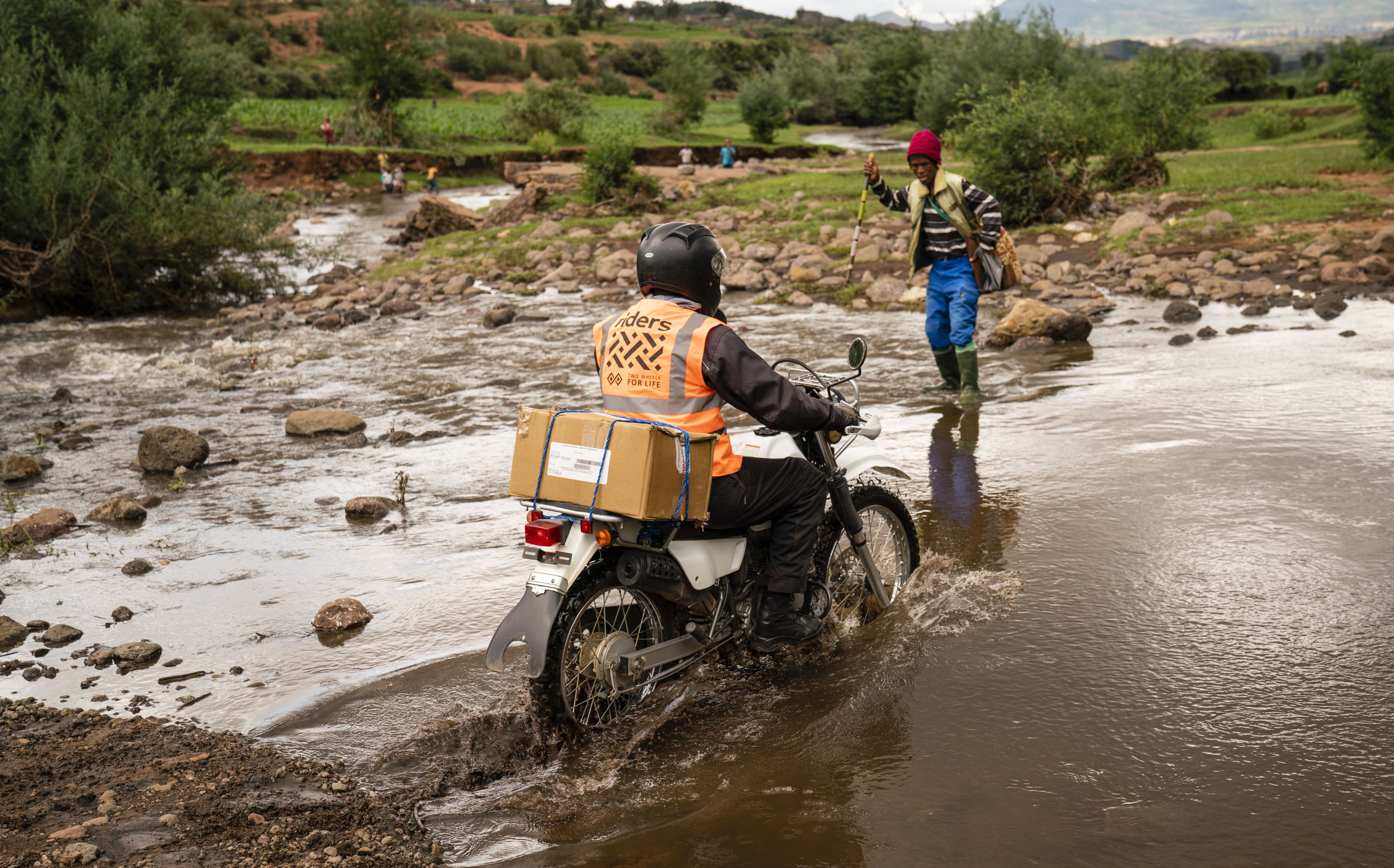
A rider rises at dawn. Their first task? Conduct mechanical checks on their motorbike. Tight clutch, tyre treads, topped-up tank, and they are good to go. But this is no touring enthusiast, let alone a racer. This is the routine of a health rider in Nigeria.
They will plot a journey to up to 10 medical facilities every day. To collect blood vials and sputum samples before entering records electronically. Predictable, reliable, regular.
And it has to be, because in rural Africa, access to healthcare isn’t measured in miles. It’s measured by whether you reach a clinic alive, even if the transport is affordable. In 2023, a woman died nearly every two minutes in sub-Saharan Africa due to maternity issues, according to the WHO. The tragedy was that many were preventable.
Yet, it would be worse if not for Riders for Health. However, they have an origin story from elsewhere.

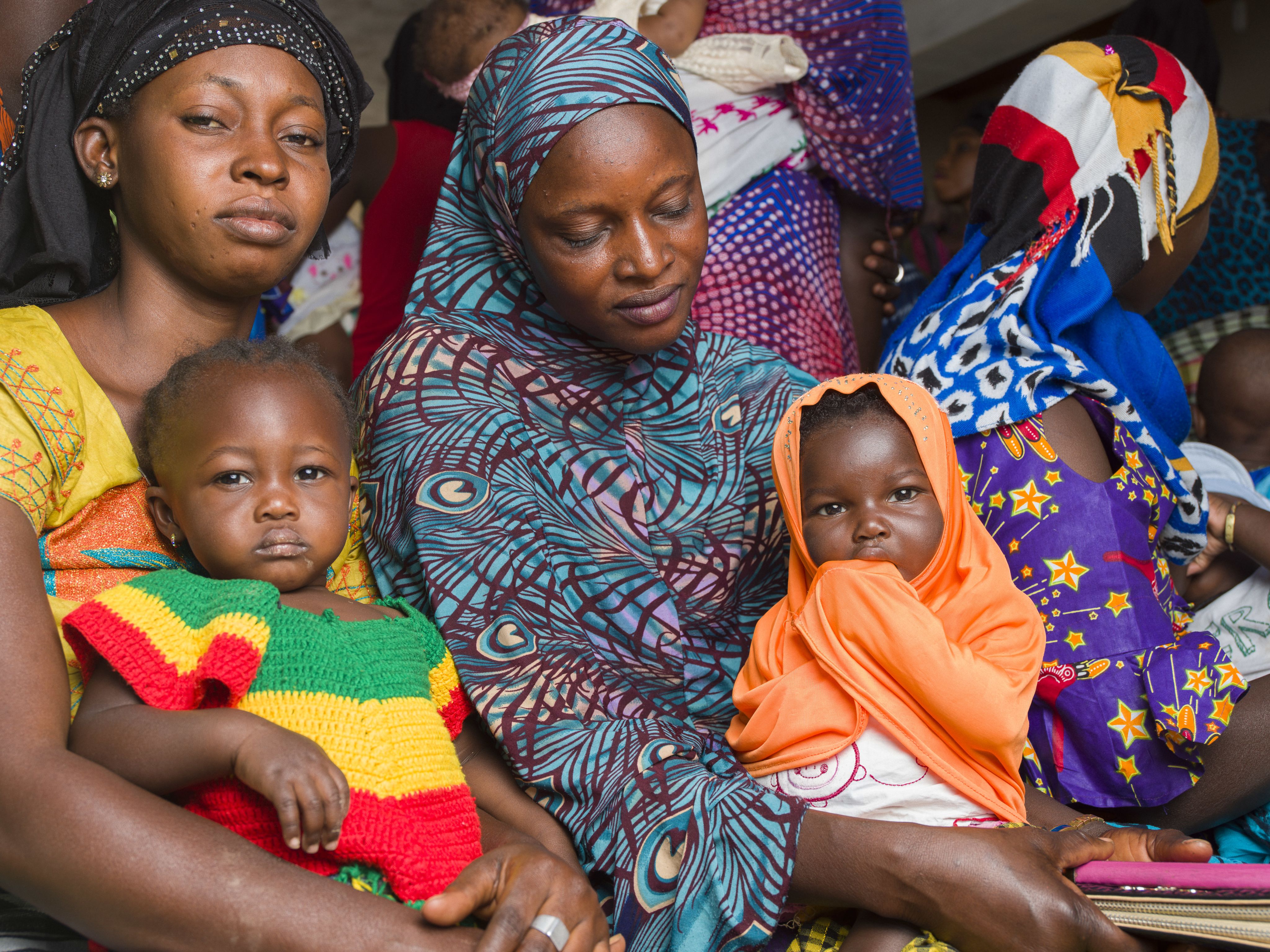
A group of mothers with their babies in The Gambia. Image credit: Two Wheels for Life
A group of mothers with their babies in The Gambia. Image credit: Two Wheels for Life

Andrea Coleman was one of the UK’s first female professional motorcycle racers. In 1984, she started raising money for racing safety. But what began as a niche cause quickly became something much bigger.

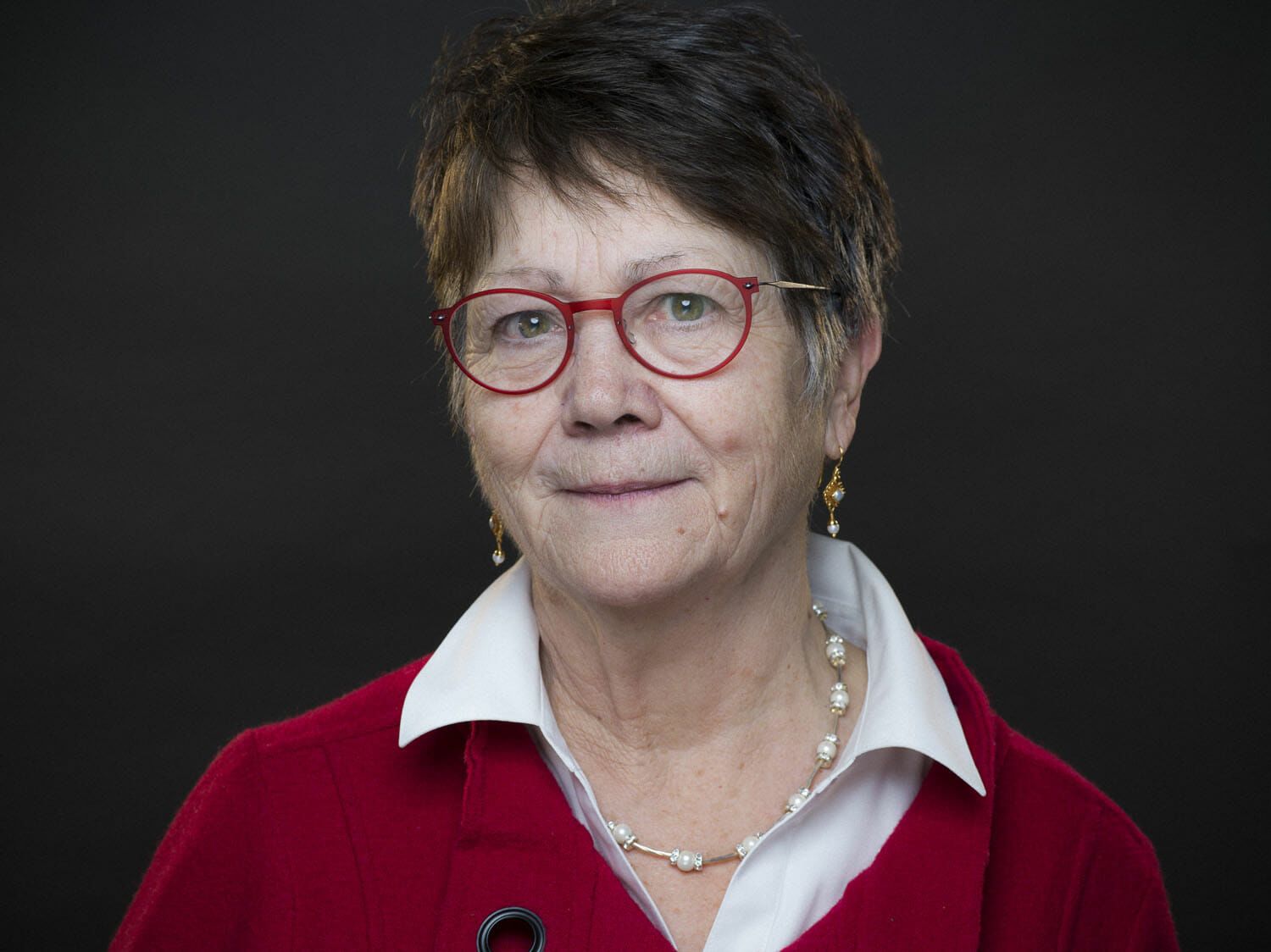
We thought, "We need an organisation to donate this money to that isn't in one country, and it is for children, and it is worldwide"
They chose the Save the Children Fund as their partner. When they presented the money, Princess Anne asked, "Have you ever been to Africa to see why you feel this is important?"
Coleman hadn't. But one visit changed everything and connected her to Africa for the rest of her life.

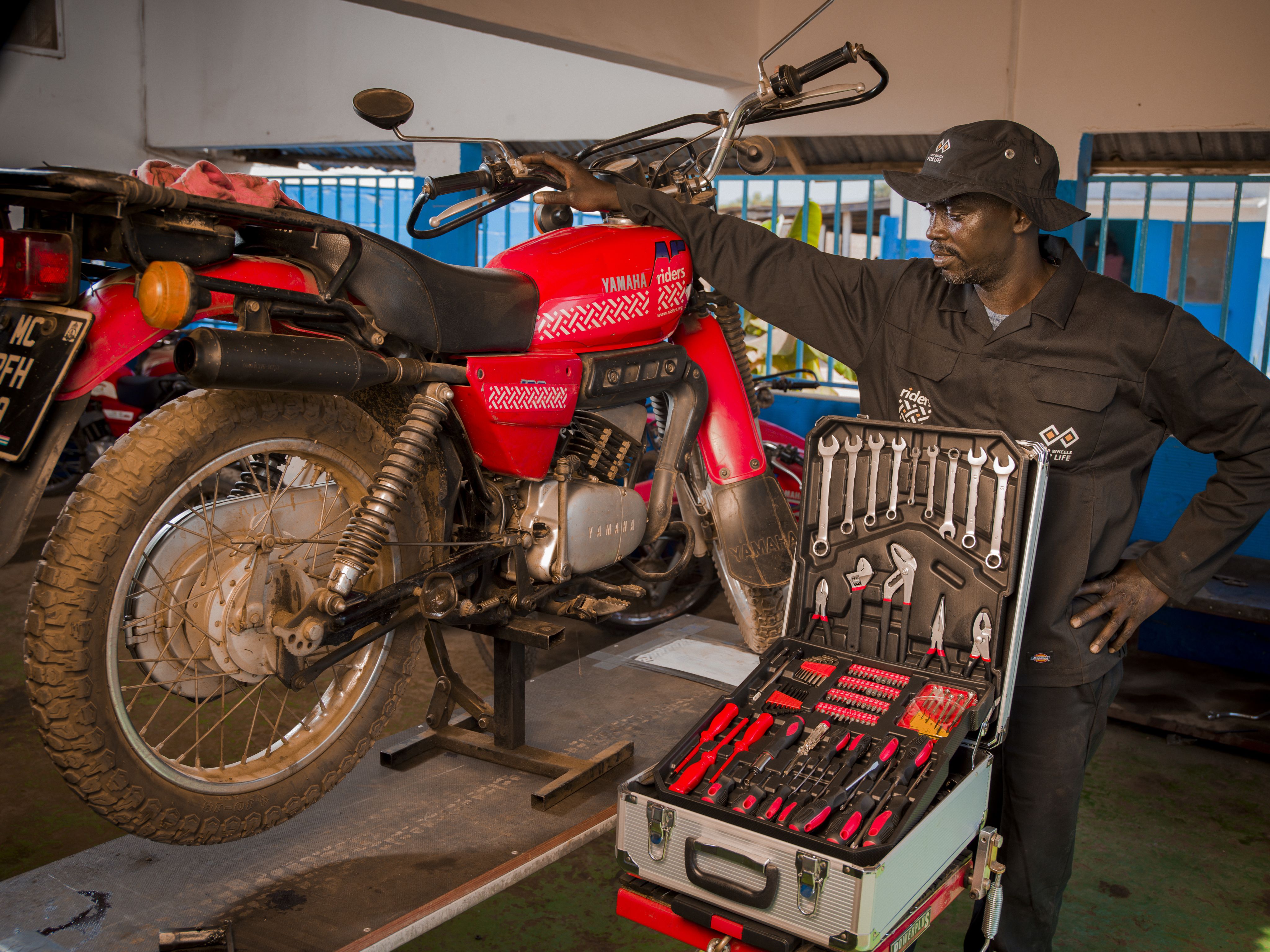
Video credit: Abhishek Ramesh
______________________
Setting up
The solution Andrea envisioned became Riders for Health (Riders, as of today), founded in 1996 with her husband, journalist Barry Coleman, and American racer Randy Mamola.
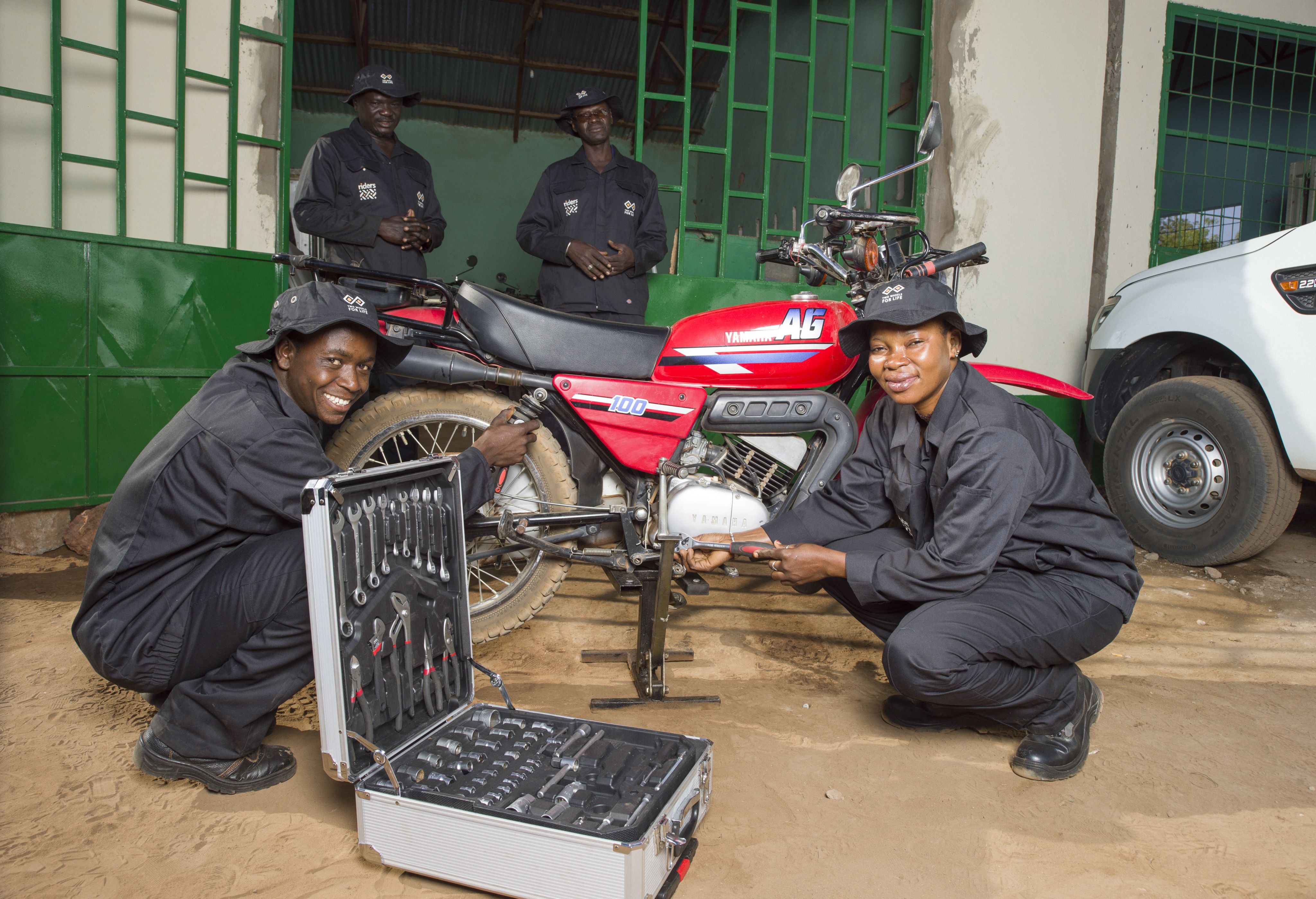
Today, it operates as a social enterprise in Africa, managing and maintaining vehicles for health systems that can't do it themselves.
The fundraising backbone comes from Two Wheels for Life, the official charity of MotoGP, the premier motorcycle racing series in the world.

Where do Riders for Health operate?
In four African countries: Nigeria, Malawi, Lesotho, and The Gambia
🇳🇬 Nigeria
Riders operating since 1999
Country Director: Kayode Ajayi
165 staff, including maintenance technicians and sample couriers
139 vehicles, including 127 motorcycles
2 million km covered by Riders in 2024
🇲🇼 Malawi
Riders operating since 2011
Country Director: Lucy Chiyenda
111 staff
86 vehicles
🇱🇸 Lesotho
Riders operating since 1991
Country Director: Mahali Hlasa
76 staff and 250 trained riders
286 vehicles, including 192 motorcycles and 33 ambulances
🇬🇲 The Gambia
Riders operating since 1999
Country Director: Cherno Jallow
303 staff
351 vehicles
______________________
Why motorcycles?
And why not build more roads or use drones? One word reiterates the modus operandi at stake here: pragmatism.
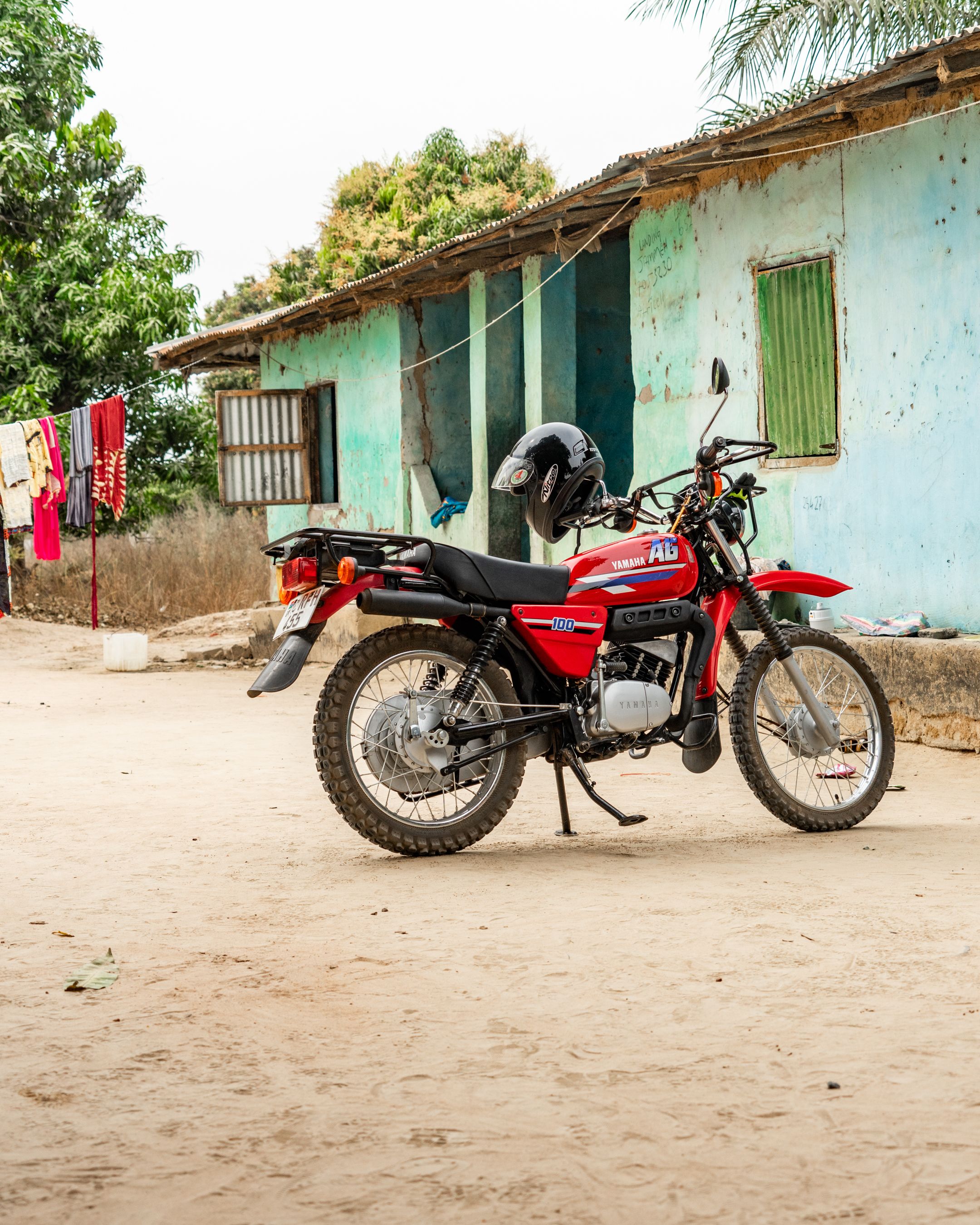
Health facilities in Africa often exist in terrain that even 4x4 SUVs cannot access. Besides, one SUV costs the same as 10-15 bikes.
Even drones, which have been pilot tested, cannot match the range, capacity, or reliability required for daily operations across dispersed communities.
The cost of a drone currently will buy about 10 bikes, and that's the difference

Tida Y. Kambi is a community health nurse and midwife operating within the Busumbala circuit in The Gambia. A personal experience illustrates why only a motorcycle fits her job.
"One day, around 5 pm, I received a call from my village health worker that one of their family member is seriously sick and needs medical attention. I then had a motorcycle allocated to me. I used it to rush and see the patient," she recollects.
"Upon my arrival, I found him with a high fever and a cold. I suspected it could be malaria. I requested a taxi to take him to the facility for a test. After the results came out, we found out that he had complicated malaria with high blood pressure.
"He could have lost his life had he not been rescued in time, said the doctor to the family, which made them really appreciate my timely intervention. I'm motivated by their words of appreciation."
The counterargument of environmental impact is omnipresent, of course. But Coleman argues that fossil-fuel-burning motorcycles are just an easily visible form of emissions compared to land clearing and road building.
Besides, health riders are trained to maintain their vehicles daily, which significantly reduces emissions.

______________________
Stranded: The last mile problem
On paper, healthcare’s link to transportation could not be clearer. However, the ground reality is much different, as explained by Kayode Ajayi, CEO of Riders for Health and Country Director in Nigeria.
"When plans are being made, the government has promised medication from donors, and they're promised equipment. And so on. But then nobody thinks about how we get the medication," he asks.
"How do we get the drugs to the last mile? How do we get the health workers or the nurses to the last mile?"

Video credit: Abhishek Ramesh
A mother with her child in a village in The Gambia | Image credit: Two Wheels for Life

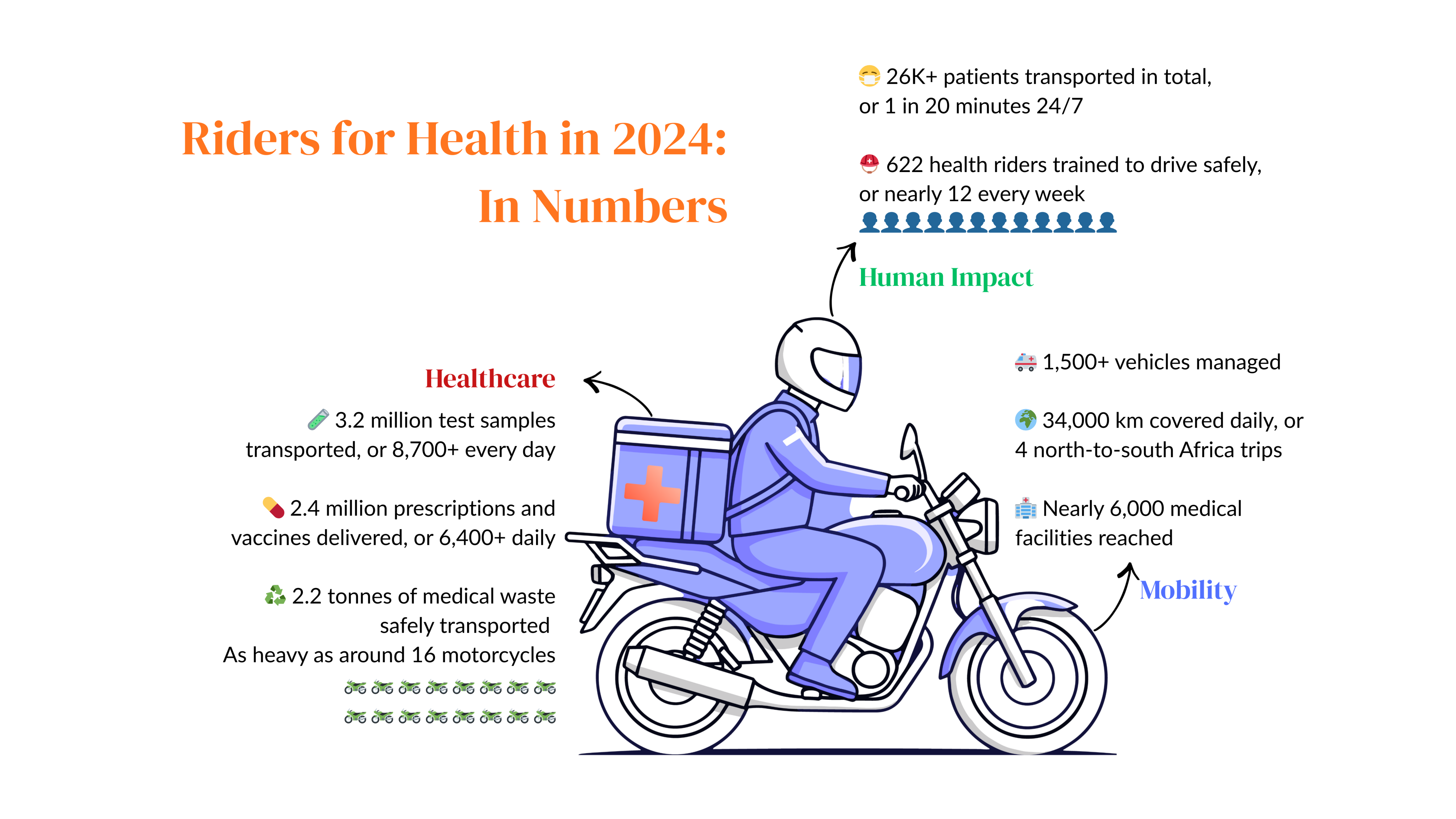
Key facts and figures from the Riders Impact Report 2024 | Image credit: Abhishek Ramesh Mavummootil via Canva
Key facts and figures from the Riders Impact Report 2024 | Image credit: Abhishek Ramesh Mavummootil via Canva
______________________
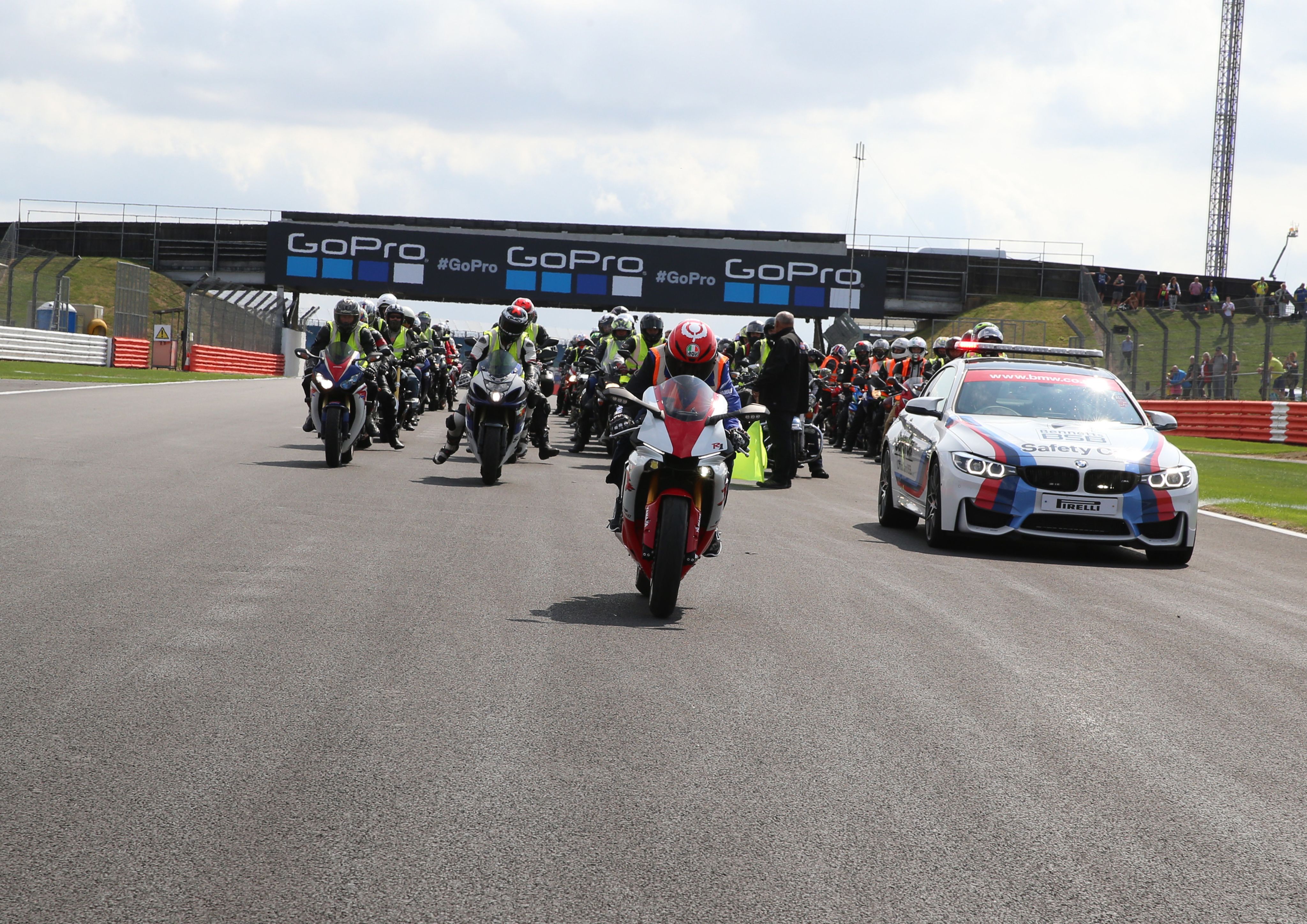
Motorsport said: 'Whatever I can do'
Even a well-oiled social enterprise like Riders for Health requires access to MotoGP’s global platform and fundraising reach. This is where Two Wheels for Life steps in.
It connects the glamorous world of motorsports to healthcare in Africa through charity. And perhaps no one was better positioned to accomplish it than MotoGP Hall of Famer Randy Mamola.

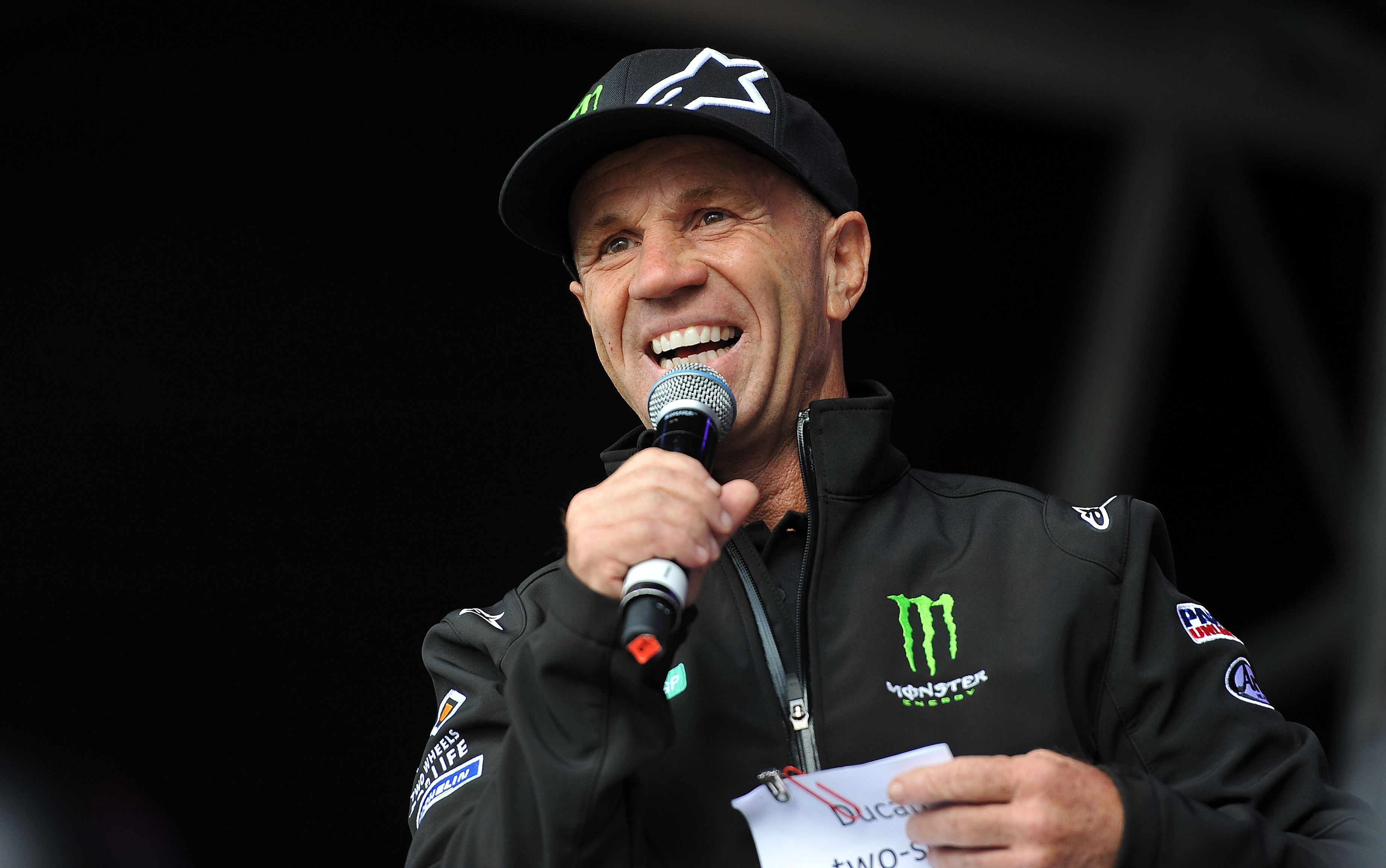
Randy Mamola on stage during a Two Wheels for Life initiative | Image credit: Two Wheels for Life
Randy Mamola on stage during a Two Wheels for Life initiative | Image credit: Two Wheels for Life
For Randy, the connection between motorcycles and African healthcare was intuitive. His reasoning crystallises why MotoGP riders also embrace this.
He says, "The motorcycle, the unique thing about my sport, was when I looked at golf players doing something, or musicians. You can only do so much with a golf club in Africa.
"(But) with a motorcycle? The same tool that gives me my life has given me a passport for 46 years of travelling. Through the World Championship, this is what was unique: the tool that we use as a part of our lives, entertainment, and so on."
When you do those things, you know people believe in you. People believe in what they see


Video credit: Abhishek Ramesh
______________________
Going the last mile
Despite its measurable success, the challenge of social reach remains acute. Nigeria alone has 36 states and hundreds of local government areas. The very infrastructure that motorcycles bypass in rural areas mirrors the broader systems failure that keeps these communities isolated in the first place.
Tida highlights a similar issue in The Gambia. She narrates, "As a community health nurse, we have some communities that are hard to reach, and there are different attitudes of people driving and riding in the communities. One day, while coming home from a trek on my motorcycle, a seven-passenger van hit my mirror at Tabokoto Junction.
"I fell and sustained some bruises, but the training I received in defensive riding, together with my protective clothing, helped minimise the impact. The driver stopped to check on me, but out of fear and embarrassment, I let him go and took care of myself."

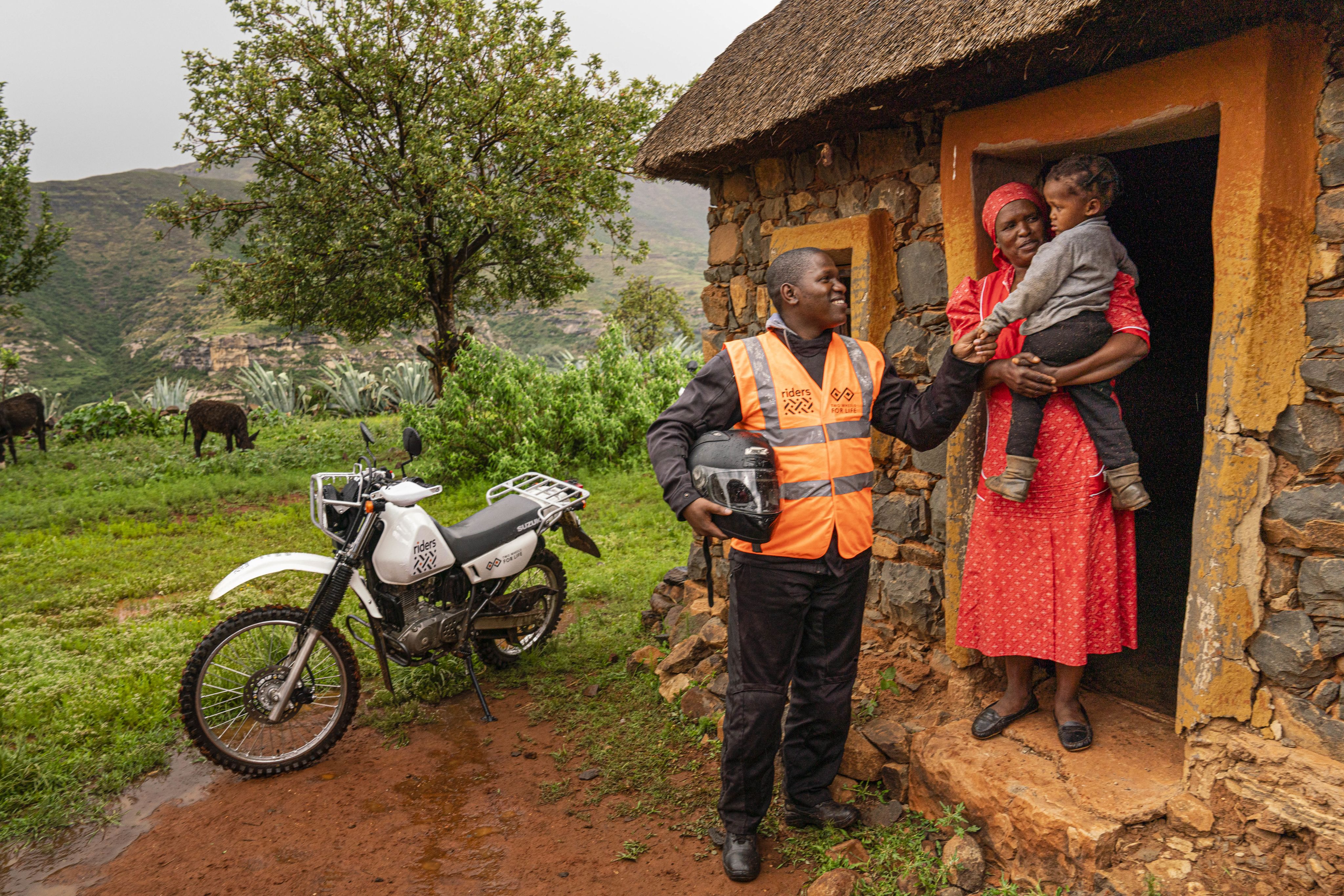
A Rider for Health during a home visit in the Berea district of Lesotho | Image credit: Two Wheels for Life
A Rider for Health during a home visit in the Berea district of Lesotho | Image credit: Two Wheels for Life
Meanwhile, a health worker in rural Nigeria offered a stark reflection while speaking anonymously: "The country doesn’t have any tangible structure in place. Those centres are dilapidated and underfunded. They do not even have water supply, not to talk of power or internet.
"It’s a mess. It’s a dire situation, and people resort to self-help all the time. Even NGOs barely scratch the surface in terms of helping because they don’t have what it takes to get the services to those who actually need them."
It’s bad, but we can’t say anything much for fear of intimidation
The answer isn’t to abandon the model. It’s to expand its reach and political leverage. Anya Sarah Itse, a London-based Nigerian student, frames the solution as a question of political engagement.
She says, "I would advise Riders For Health to prioritise more state operational centres and community-based awareness and enlightenment, even in remote areas. Also, to engage stakeholders at different levels more, to get the governments involved."

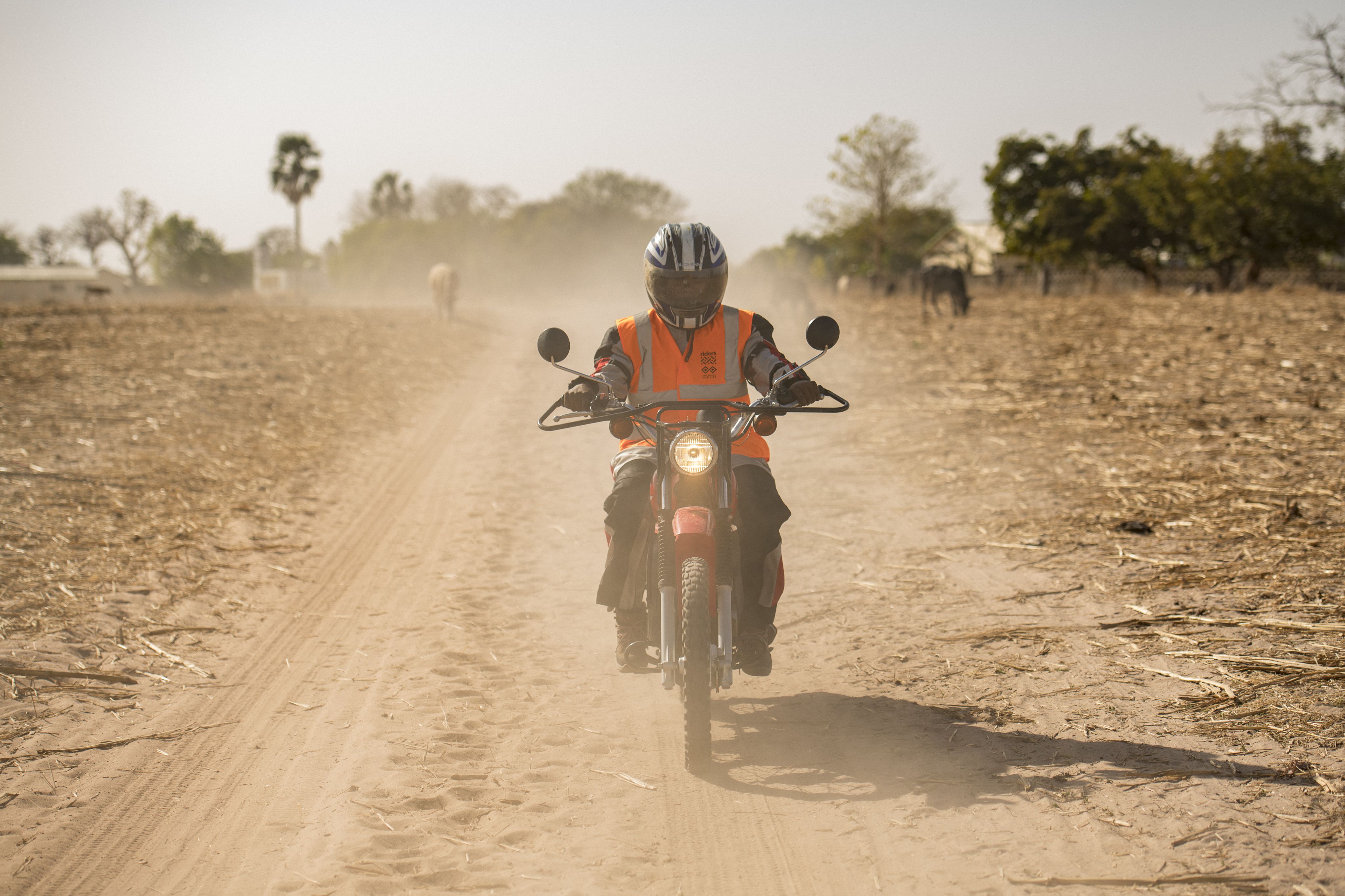
This is the hidden tension at the heart of Riders’ work. Motorcycles can deliver healthcare across rough geographies, but they cannot compel governments to fund primary health centres or build roads that would reduce dependence on transport in the first place. While ingeniously practical, it remains a patch on a systemic wound.
This is why the motorsport connection matters more than it initially appears. Riders for Health has proven that the project works. Two Wheels for Life must keep reinforcing it.
However, universal medical coverage across the continent would require what no philanthropy can provide alone: sustained governmental investment and the political will to build infrastructure that motorcycles currently bypass.
Until then, though, the reality remains what Tida Kambi knows better than most: "Without reliable transport, you can never complete your task."
________________________________________________

 Built with Shorthand